?The pattern
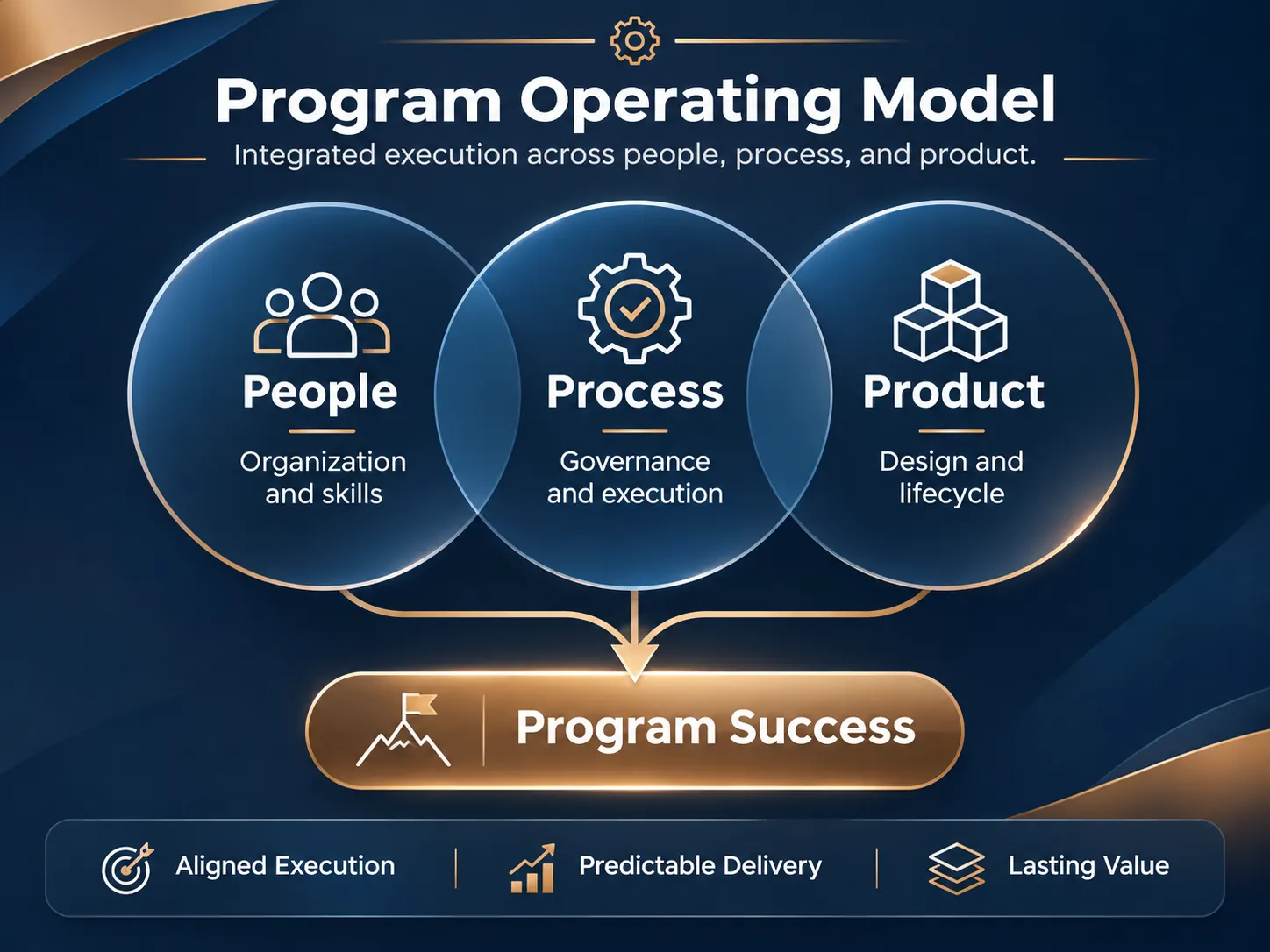
Delivery programs need schedules and risk registers. What compounds is the layer underneath: intake, estimation, gates, commitment capture, readiness, cost validation. When that layer is tribal, every program reinvents itand Director/VP reviews become storytelling contests.
My default: build to scale when nothing usable existsship a first version that can grow. Or refine to scale when something already workskeep hardening until adoption and automation carry the load without me in the room. Same instinct across VAVE, capacity, cross-domain contracts, NPI readiness, and engineer tooling.
?VAVE Program Hub built, then refined to scale
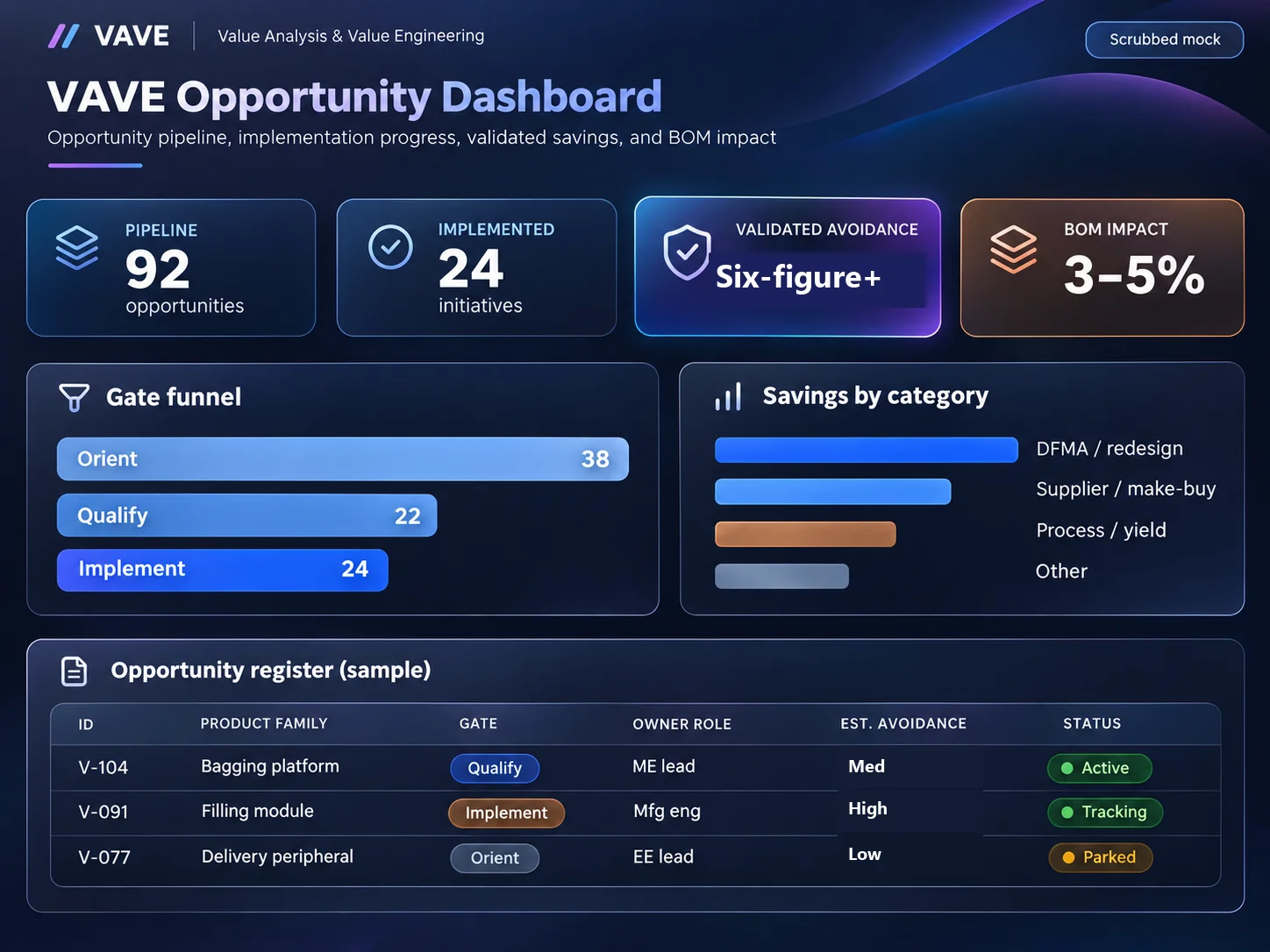
Cost ideas existed without a shared path to validated savings. I stood up intake, register, prioritization, and Gate A/B/Cthen ran the portfolio into Director/VP conversations.
Surface evolved with the process: Excel pilot → Smartsheet live system → hosted Hub with weekly automation for ~7–15 stakeholders. Each step kept what worked and replaced the layer that was breaking. Outcomes: 92 opportunities, 24 implemented, validated cost avoidance, 3–5% BOM reductions on delivered work.
?Capacity forecasting build to scale without history
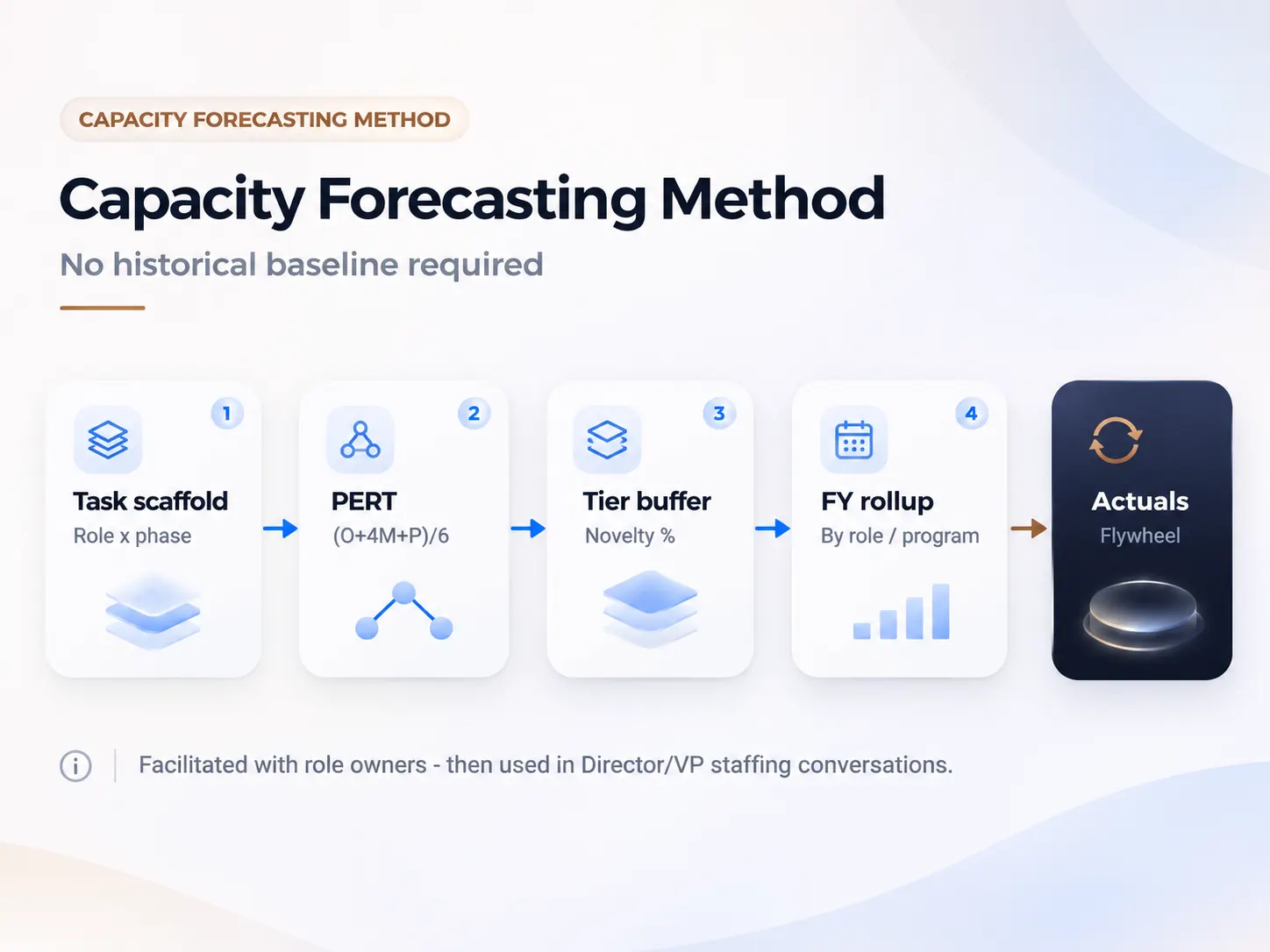
No timesheet baseline, no defensible FY demand. I designed a task scaffold — role × phase, three-point PERT estimates, novelty-tier buffers, and FY rollups—then led role owners through adoption so the method was a facilitated practice, not a silent workbook. Early intake also used LOE / t-shirt sizing before packages deepened to PERT.
The flywheel is the refine step: log actuals against estimates so buffers get sharper every project. Try the interactive slice → Capacity case →
?Cross-domain integration the contract is the program
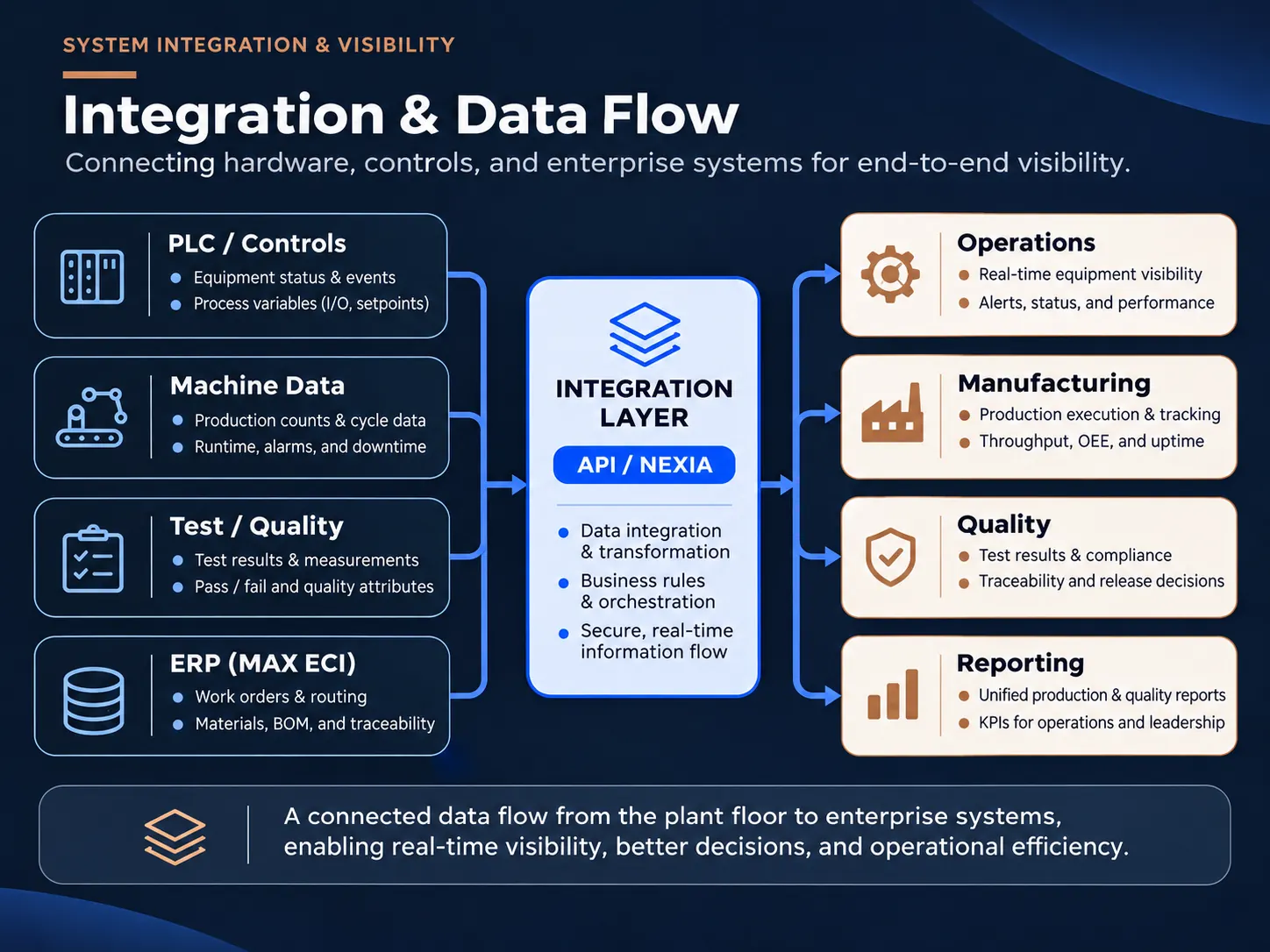
Hardware?software changes fail when ownership of the boundary is implicit. I framed provider/consumer commitments, verification/compatibility gates, and a decision record so teams on different tools could still make a ship callwhile leadership held a broader strategic fork.
?NPI readiness refine the path under customer schedules
On Smart SecurePack Multi, the need wasnt a new methodology sermonit was hardening readiness reviews, deviation/red-tag trackers, BOM cadence, and a dated control-system reconciliation when formal cycle time threatened the customer critical path.
Refine to scale: make the exception explicit, time-boxed, and reversible. Multi NPI case ?
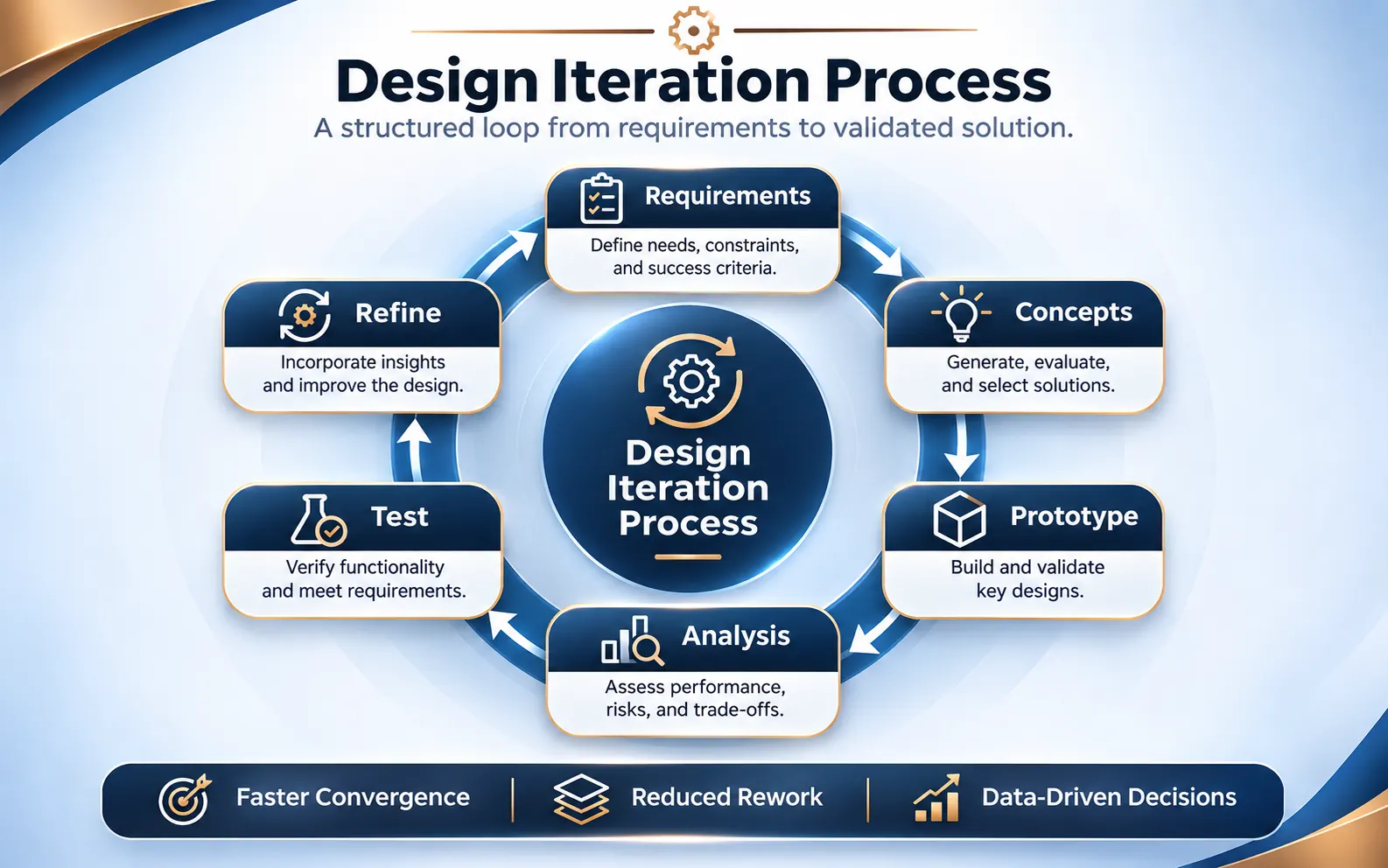
How I choose build vs refine
Build to scale when there is no shared language yetcapacity without history, VAVE without intake, interfaces without a commitment record. First useful version beats perfect architecture.
Refine to scale when something already works for a few peopleExcel that proved the loop, a readiness review that needs trackers, a catalog tool engineers actually open. Harden, automate, hand off.
Either way the test is the same: can someone else run it next quarter without me reconstructing the tribal knowledge?
Where to go deeper
Each system has a full case or interactive demo.